In the Yellow
7.IV.26
On the flight home from abroad, a few days after submitting the manuscript for a new novel titled Yellow, I discover that a quarter of a century ago I quoted Joseph Conrad in an essay. The sentences cited are the italicized ones in a description that, in more detailed form, reads: »However, I wasn’t going into any of these. I was going into the yellow. Dead in the center. And the river was there – fascinating – deadly – like a snake. Ough!«
Not once during work, which began shortly after The Thin Gods was published in 2022, did I think of the passage. And yet, according to my first working note, I had decided to provide the book – of which no words existed at the time – with an unidentified motto taken from the previous novel: »which is light which is a writhing snake which is a steaming spine.« That never happened, mainly because the »snake« in question – in my mind, it was as much about an actual river as it was about how the text would be written (= serpentine) – was soon replaced by a salamander. The river remained, but the meltwater from a glacier that swells this watercourse in the mountains west of Kabul during the summer would prove to be far more significant.
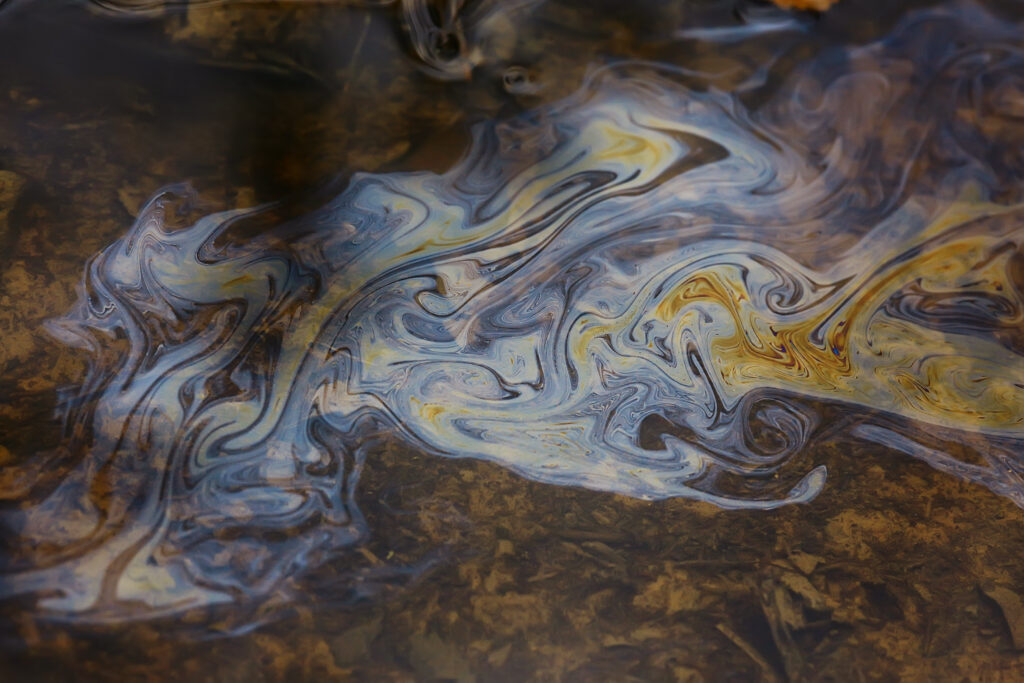
When I came across the quote again, it was as if something caught up with me. In Conrad, yellow represents the spot on the map (glowing in all the colors of the rainbow) that Marlow discovers in a shipping office in London at the beginning of Heart of Darkness. There, in the Congo, the colonial power Belgium rules by means of violence, corruption, and a thousand other instances of moral bankruptcy. The so-called civilization that has penetrated deep into Africa comes across as a deadly disease, not unlike yellow fever or malaria. In Yellow, there are neither unhinged Europeans nor tropical diseases. The title of the novel is simply the name that the protagonist, an eighteen-year-old Afghan woman, receives during her long flight from Central Asia to Europe. But I wanted to reevaluate the color – not least in light of what yellow signals at a traffic light. To slow down and prepare to stop seemed to me the shortest way to describe the purpose of migration, or rather its hope. When I look at the photo which will grace the cover once the book is published this fall, it is as if the shimmering meltwater Yellow experiences as a little girl has moved to a park or a parking lot, perhaps a landfill somewhere in unyielding Europe.
Ough, so the oil spill shimmering with the sheen of something that cannot mix with water thus represents an image of failed integration? I don’t know. But I hope it means more than that. To my – admittedly, hardly impartial – eyes, the bronze-colored swirls seem to be taking on the brown hues of the underlying ground. Half-denatured, neither oil nor puddle is quite the same anymore. After all, yellow on a traffic light signals movement not only from green to red, but also from standstill to departure.
Image: Sergey Kichigin, Motor Oil in Water, 2021